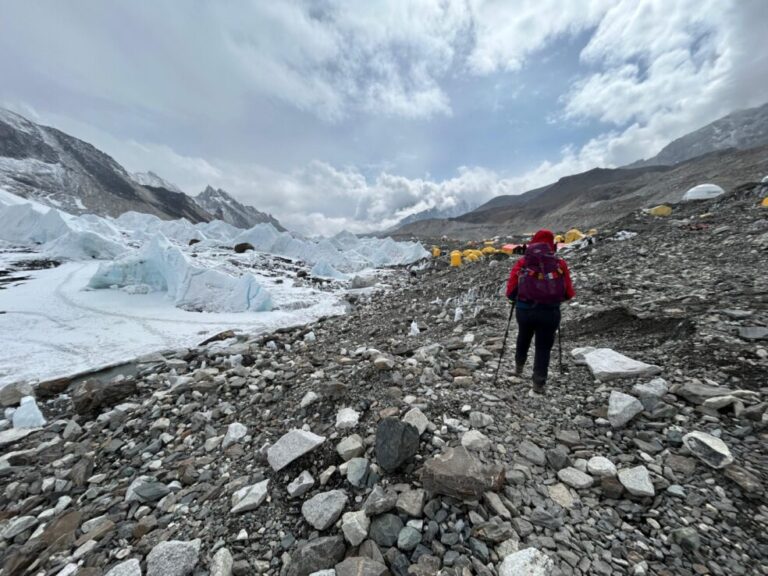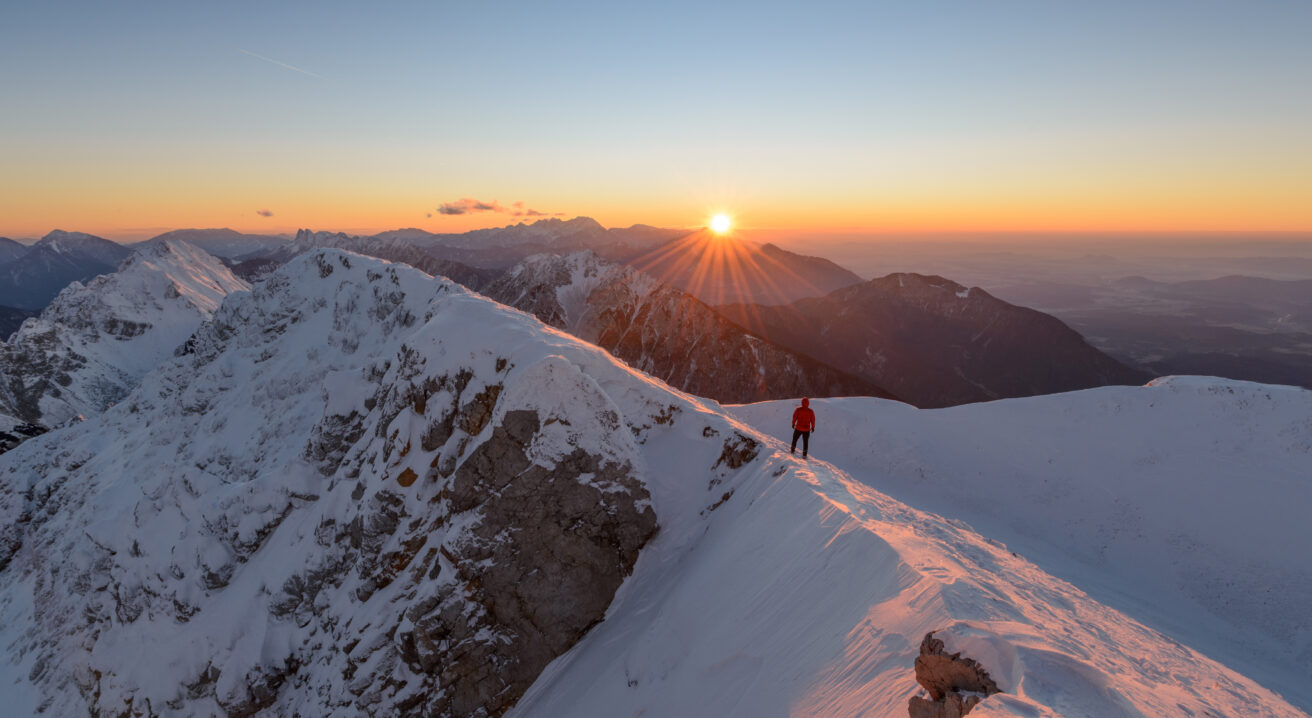
The first time I stood at Island Peak Base Camp at 5,100 meters, oxygen thin and lungs burning, something unexpected happened. The mental chatter that had followed me from Kathmandu—the anxieties, the daily pressures, the weight of navigating spaces where I’m often the only Black face—all of it began to quiet. Up here, beneath Lhotse and Ama Dablam, the mountain demanded something different: presence, vulnerability, and trust in the people around me.
This is the gift mountains give to those willing to receive it. And for Black mountaineers, this gift carries particular significance.
The Therapeutic Power of Altitude

There’s a reason why mountaineering forces mental clarity. When you’re trekking eight hours daily through the Khumbu Valley, every breath becomes intentional. Your body fights for oxygen. Your mind cannot wander to past regrets or future worries—survival demands you stay rooted in the present moment.
Recent research into high-altitude environments reveals what mountaineers have known intuitively: altitude changes brain chemistry. The combination of physical exertion, reduced oxygen, and exposure to natural beauty triggers the release of endorphins and serotonin. But beyond the biochemistry, there’s something more profound at work.
Mountains strip away pretense. At 6,000 meters, your job title doesn’t matter. Your social media following holds no weight. The barriers we construct in everyday life—the professional masks, the code-switching, the constant awareness of how we’re perceived—these dissolve in the thin air. What remains is raw, authentic humanity.
Sanctuary in the Himalayas
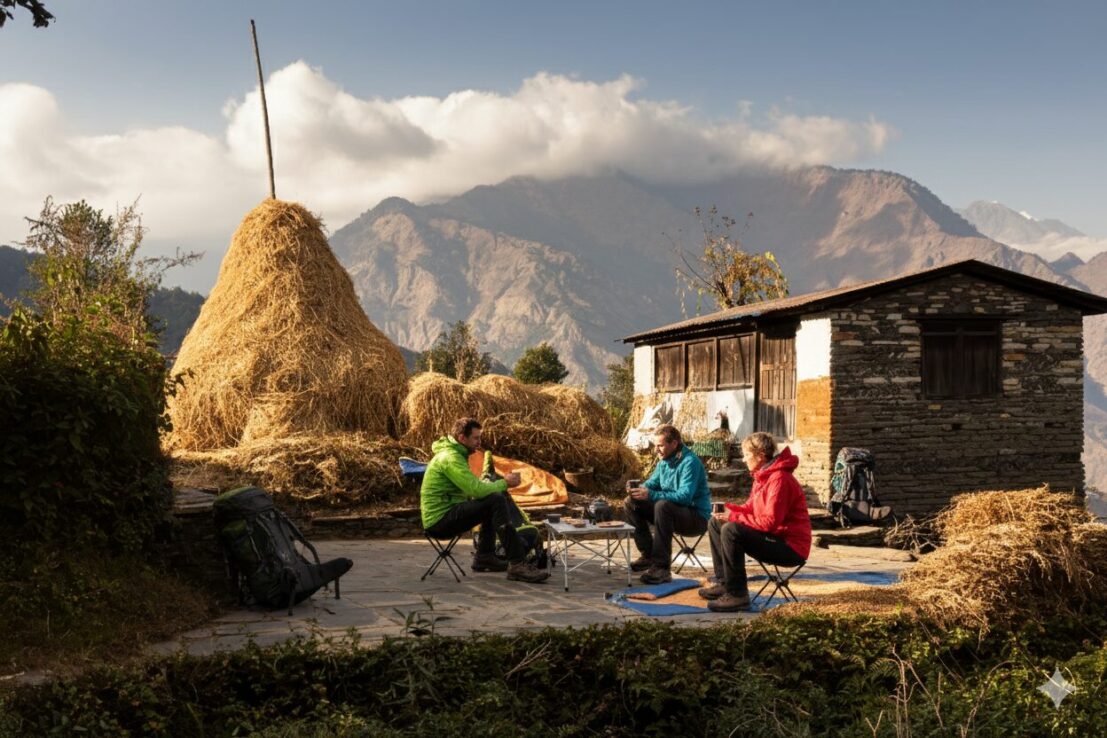
For Black mountaineers, finding sanctuary often means traveling far from home. The Himalayas, rising above Nepal’s legendary Sherpa villages and ancient Buddhist monasteries, offer a unique space. Here, in communities where hospitality is sacred and mountaineering transcends racial boundaries, many Black climbers experience a freedom rarely felt in Western climbing spaces.
During my expeditions to peaks like Island Peak, I’ve witnessed this transformation repeatedly. The traditional tea houses between Namche Bazaar and Tengboche become evening gathering places where climbers from every background share dal bhat and stories. The Sherpa guides—whose wisdom and strength make these expeditions possible—model a different kind of leadership, one rooted in collective success rather than individual glory.
This matters because mountaineering, particularly in the Himalayas, operates on a fundamental principle: we summit together or not at all. When you’re roped together on a glacier, your safety depends entirely on your teammates. This forced interdependence creates authentic connection.
The Weight We Carry, The Weight We Release
Every climber carries weight to altitude—fifteen kilograms of gear hauled by porters, technical equipment, provisions. But Black mountaineers often carry additional, invisible weight: the burden of representation, the fatigue of being “the first” or “the only,” the accumulated stress of microaggressions and systemic barriers.
Mountains offer permission to set this weight down, even temporarily.
I remember a conversation at Chhukung during an acclimatization day. A fellow Black climber shared how, for the first time in months, she’d slept through the night without anxiety dreams. No vivid nightmares, no periodic breathing caused by stress—just the deep sleep that comes from physical exhaustion and mental peace. At 4,730 meters, surrounded by peaks that have stood for millions of years, her nervous system finally felt safe enough to rest.
This is collective care in action. The climbing community—when it functions at its best—becomes a support system where vulnerability is strength and interdependence is honored.
Technical Skills, Mental Resilience
The technical demands of mountaineering also build mental health resilience in specific ways. Learning to travel on glaciers with crampons and ice axes, practicing rope work and fixed-line ascents, mastering the rhythm of breathing in thin air—these skills require focus that quiets rumination.
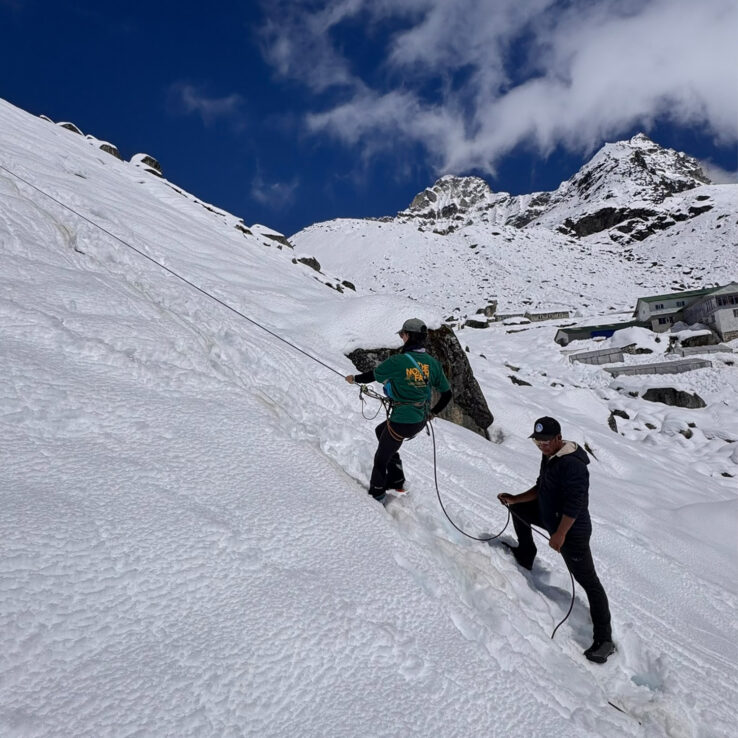
During summit pushes that last eight hours or more, climbers enter flow states where the boundary between self and environment dissolves. This isn’t escape; it’s integration. The mountain doesn’t care about your fears or doubts. It simply requires you to show up, breath by breath, step by step.
This practice of radical presence translates off the mountain. Black mountaineers report carrying this mindfulness into daily life, finding they can access that sense of calm centeredness when facing challenges in work, relationships, or activism.
Building Black Climbing Community
Perhaps most importantly, mountaineering creates space for Black climbers to build community with each other. Organizations and expeditions specifically centered on Black outdoor experiences allow for a different quality of connection—one where shared cultural context and similar life experiences create instant understanding.
When Black mountaineers gather, whether in Kathmandu hotel briefings or base camp dining tents, the conversations flow differently. We discuss technique and training plans, yes, but we also process the unique challenges of accessing these spaces, celebrate each other’s achievements, and acknowledge the ancestors whose dreams of mountain summits were deferred by systems that excluded them.
This community becomes a source of collective healing. We hold space for each other’s fears and triumphs. We model what’s possible. We refuse the isolation that outdoor spaces have historically imposed on people of color.
Practical Steps: Making Mountains Accessible
For Black individuals considering mountaineering as part of their mental health journey, here are concrete starting points:
Start with preparation: A structured twelve-week training program building cardiovascular endurance and strength creates confidence. Train consistently four to six days weekly, incorporating hill repeats, endurance work, and strength training. This physical preparation directly supports mental resilience.
Seek out inclusive expeditions: Research guides and organizations committed to diversity. Small group sizes—often four to eight climbers—allow for deeper connection and individualized attention. Look for expeditions led by experienced guides who understand the importance of inclusive spaces.
Invest in proper gear: Quality equipment isn’t luxury; it’s safety. From double-skin mountaineering boots rated for 6,000 meters to proper insulation layers, having reliable gear reduces anxiety and allows you to focus on the experience itself.
Consider guided first experiences: Expeditions like Island Peak, graded moderate to difficult, offer an ideal introduction to technical Himalayan mountaineering. With integrated medical support, experienced Sherpa guides at a 2:1 ratio, and comprehensive logistics handled, first-time high-altitude climbers can focus on their journey rather than complex planning.
Connect before you climb: Reach out to Black mountaineering communities online. Share your goals, ask questions, find potential climbing partners. The relationship-building begins long before you board the flight to Kathmandu.
The View from the Summit
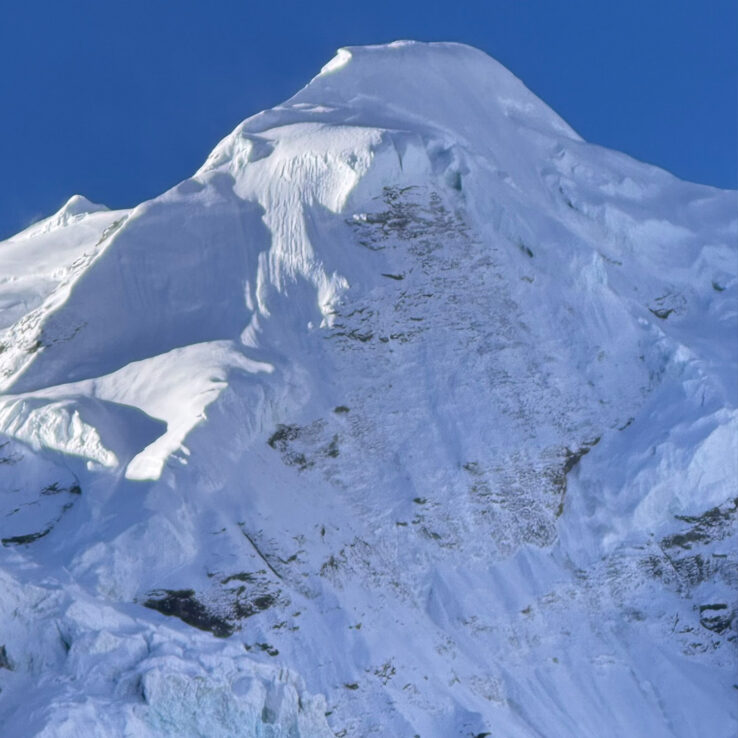
Standing on Island Peak’s 6,189-meter summit, surrounded by the panoramic views of Everest, Lhotse, and Makalu, climbers often experience profound moments of clarity. But the real transformation isn’t the summit—it’s the entire journey.
It’s the morning you wake at Tengboche monastery and hear monks chanting at dawn, their prayers echoing across the valley. It’s the shared laughter in tea houses when someone attempts to describe the experience of using a squat toilet at altitude. It’s the moment your rope team pulls together on summit day, each person’s strength compensating for another’s fatigue, all of you succeeding because you refused to leave anyone behind.
This is climbing as collective care. This is mental health work disguised as adventure. This is the profound healing that happens when Black people claim space in landscapes that tried to exclude us, when we summit not despite our identity but because of the strength our community provides.
Moving Forward
The mountains will always be there, patient and unchanging. They don’t care about the barriers that kept our ancestors from their slopes. They don’t recognize the systems that still make outdoor spaces challenging to access. Mountains simply are—vast, beautiful, demanding, and surprisingly tender in the way they strip us down to our essential selves.
For Black mountaineers, this creates opportunity. We get to write new stories, establish new traditions, create communities of care at altitude. We get to experience the mental health benefits of mountaineering—the mindfulness, the physical reset, the deep connection with both nature and fellow humans—while building something larger than individual summits.
We’re not just climbing mountains. We’re healing together. We’re creating sanctuary. We’re proving that collective care can exist anywhere, even at 6,000 meters where oxygen is scarce and every breath requires intention.
The mountains are calling. And increasingly, Black climbers are answering—not alone, but together.