Beyond the Boardroom: Why Ireland’s Mountains Matter for Mental Health
I’ve guided corporate teams through the Ireland 4 Peaks Challenge for years, and I can tell you with certainty: the transformation that happens between Slieve Donard at dawn and Mweelrea at dusk isn’t just about physical endurance. It’s about something far more valuable to your organization—the cultivation of genuine mental resilience and psychological safety within your workforce.
Research consistently demonstrates what mountaineers have always known intuitively: outdoor activity profoundly impacts mental health. Studies show that time in nature reduces cortisol levels by up to 21%, while regular outdoor exercise decreases symptoms of anxiety and depression by 30-50%. But these statistics, compelling as they are, don’t capture the full picture of what happens when you take your team beyond the familiar confines of conference rooms and corporate spaces.
The Ireland 4 Peaks Challenge—conquering Slieve Donard (850m), Lugnaquilla (925m), Carrauntoohil (1038m), and Mweelrea (814m) within 24 hours—represents something revolutionary in corporate wellness programming. This isn’t a spa retreat or a motivational seminar. This is a genuine test that strips away pretense and reveals character, builds authentic relationships, and creates the foundation for lasting organizational culture change.
The Mental Health Crisis in Corporate Ireland
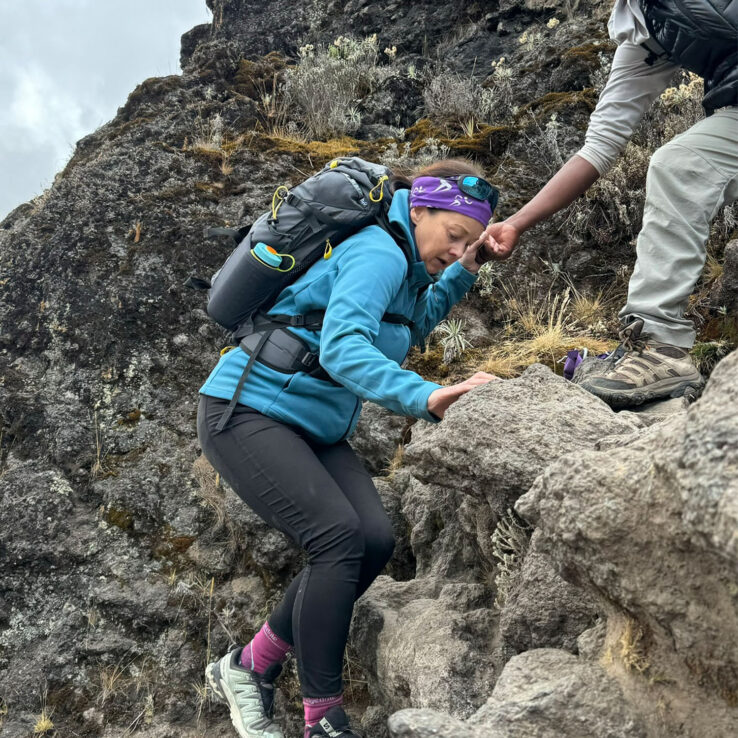
Let me be direct: your employees are struggling. The statistics are stark and unavoidable. According to recent workplace mental health research, 1 in 4 employees experiences a diagnosable mental health condition annually. Stress-related absenteeism costs Irish businesses an estimated €400 million per year. Burnout rates have increased by 33% since 2020, with remote work blurring the boundaries between professional and personal life.
As CSR Directors, HR Leaders, and CEOs, you already know this. You’ve seen the signs—increased sick leave, decreased engagement, higher turnover among your top performers. You’ve likely implemented wellness programs: gym memberships, counseling services, meditation apps. These are valuable interventions, but they often remain peripheral to the core employee experience.
The Ireland 4 Peaks Challenge takes a different approach. It doesn’t treat mental wellness as something to be addressed in isolation, squeezed into lunch breaks or after-hours sessions. Instead, it creates an immersive experience where team members actively build the psychological resilience and social bonds that protect mental health in high-pressure environments.
The Science of Suffering Together: How Shared Challenge Builds Resilience
When your team assembles at Slieve Donard car park at 7:30 AM, most participants harbor private doubts. Can I physically complete this? Will I let the team down? What if I’m the weakest link? These anxieties are universal, cutting across organizational hierarchies. Your CEO feels them. Your newest graduate hire feels them. This equality of vulnerability is where transformation begins.
The challenge structure itself is deliberate. Four mountains. Minimal rest. Very little sleep. Swift but steady paces using the most direct routes. This isn’t recreational hiking—it’s a serious physical and mental battle requiring exceptional teamwork. As I tell every corporate group during the initial safety briefing: “By failing to prepare, you are preparing to fail.”
The psychological benefits emerge through several mechanisms:
Stress Inoculation: Research in resilience training shows that voluntary exposure to manageable stress—what psychologists call “stress inoculation”—builds capacity to handle future stressors. When your finance director pushes through the final ascent of Lugnaquilla on exhausted legs, she’s not just climbing a mountain. She’s rewiring her stress response system, proving to herself that she can endure discomfort and continue functioning. This lesson transfers directly to workplace challenges.
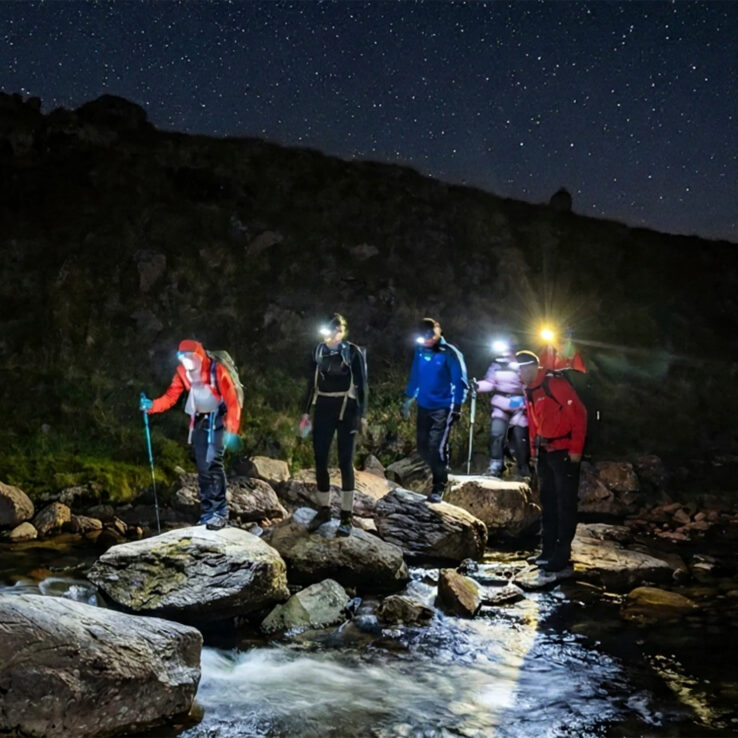
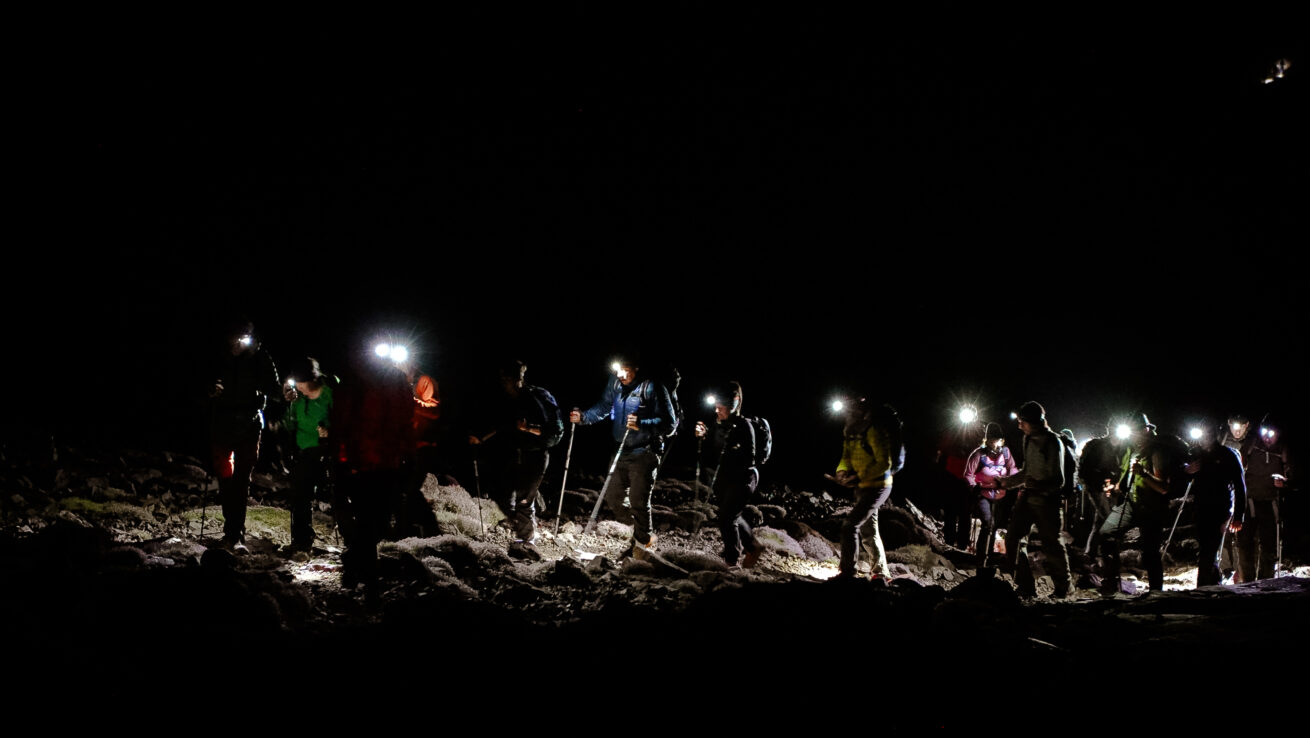
Social Bonding Through Adversity: The night hike up Carrauntoohil, beginning around midnight, consistently produces the deepest team bonding. In darkness, with only headtorches illuminating the path ahead, team members naturally support each other. The marketing manager helps the IT director maintain pace. The operations lead shares energy gels when someone’s running low. These acts of care and mutual support create psychological bonds that persist long after the challenge concludes.
Achievement and Self-Efficacy: Completing something genuinely difficult—something that required months of preparation and sustained effort—fundamentally changes how people view themselves. Self-efficacy, the belief in one’s capacity to execute behaviors necessary to achieve goals, is one of the strongest predictors of mental health and job performance. The Ireland 4 Peaks Challenge provides irrefutable evidence of capability.
Nature Exposure and Mental Restoration: The Irish mountains offer what environmental psychologists call “restorative environments”—natural settings that allow mental fatigue to dissipate and cognitive resources to replenish. During the six-hour round trip on Carrauntoohil or the 4.5-hour push up Mweelrea, participants experience extended periods of what researchers term “soft fascination”—gentle engagement with natural beauty that allows the mind to recover from directed attention fatigue common in modern workplaces.
The Practical Architecture: What the Challenge Delivers
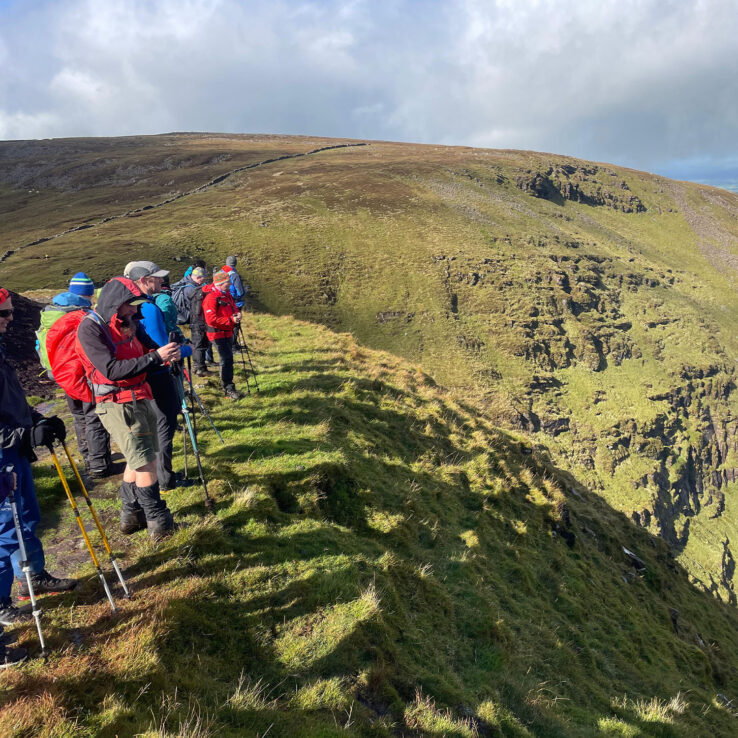
Let me walk you through what your team actually experiences, because the logistics matter as much as the psychology.
Day 1, 7:30 AM – Slieve Donard, County Down (850m)
Your team gathers for the event summary and safety briefing. I personally lead this briefing alongside qualified mountain leaders and wilderness first aiders. Everyone receives clear expectations: this is not a race, but it demands sustained effort. You’ll climb four mountains within 24 hours with minimal rest.
The four-hour round trip up Slieve Donard serves as both physical warm-up and psychological preparation. The pace is swift but manageable. Team dynamics begin emerging immediately—who naturally leads, who encourages, who struggles but perseveres. These observations prove invaluable for understanding your organizational culture.
Direct Drive to Lugnaquilla (3 hours, 199km)
The luxury coach becomes a mobile base camp. This is where the bus rules matter: no hiking boots allowed (bring sliders or crocs), keep music to headphones for those resting, store wet gear properly in sealed bags. These seemingly minor rules teach consideration and collective responsibility.
Lugnaquilla, County Wicklow (925m)
The five-hour round trip represents the challenge’s midpoint. Physical fatigue begins accumulating. This is where mental resilience becomes crucial. Team members must dig deeper, support each other more actively. The conversations during this ascent often prove more honest than any boardroom discussion—people reveal vulnerabilities, share struggles, offer genuine encouragement.
Direct Drive to Carrauntoohil (5 hours)
As darkness falls and the coach winds through Ireland’s countryside, the reality of the night hike ahead settles in. This is where pre-challenge preparation proves essential. Teams that trained together—completing the recommended 12-week program with weekend mountain hikes and midweek HIIT sessions—have built trust and shared language. They know each other’s physical capabilities and mental patterns.
Carrauntoohil, County Kerry (1038m) – The Night Ascent
Beginning around midnight, the six-hour round trip up Ireland’s highest peak becomes the crucible. Headtorches create small pools of light in vast darkness. The temperature drops. Fatigue compounds. This is where the challenge transcends physical effort and becomes purely psychological.
I’ve watched hundreds of corporate participants on this ascent. Inevitably, some hit walls—moments where continuing feels impossible. What happens next reveals everything about your organizational culture. Do teammates rally? Do they slow the pace? Do they share food and encouragement? Or do stronger climbers push ahead, leaving struggling members behind?
The best corporate teams move together. They modify pace to accommodate everyone. They celebrate small victories—reaching treeline, hitting halfway, spotting the summit cairn. They’ve internalized that collective success matters more than individual performance. This lesson, learned at 2 AM on a Kerry mountainside, transforms how they operate back in the office.
Direct Drive to Mweelrea (5 hours)
Dawn breaks during this drive. You witness sunrise over Ireland’s wild landscape, your team exhausted but united. The reality of one final ascent looms. This is where mental toughness becomes non-negotiable. There’s no reserve tank left—only will and team support.
Mweelrea, County Mayo (814m)
The 4.5-hour final push requires everything remaining. Legs are spent. Sleep deprivation creates cognitive fog. But the summit brings profound reward—not just the view, but the knowledge that you completed something genuinely difficult together. The National 4 Peaks medal earned at the finish represents far more than participation. It symbolizes perseverance, teamwork, and mental resilience forged through shared suffering.
Return to Slieve Donard Car Park – Midnight Monday
After approximately 24 hours of hiking, driving, and minimal rest, your team returns to the starting point. The exhaustion is real, but so is the transformation. People who were colleagues 24 hours ago are now something more—a team that endured genuine challenge together.
The ROI of Resilience: Measuring Impact
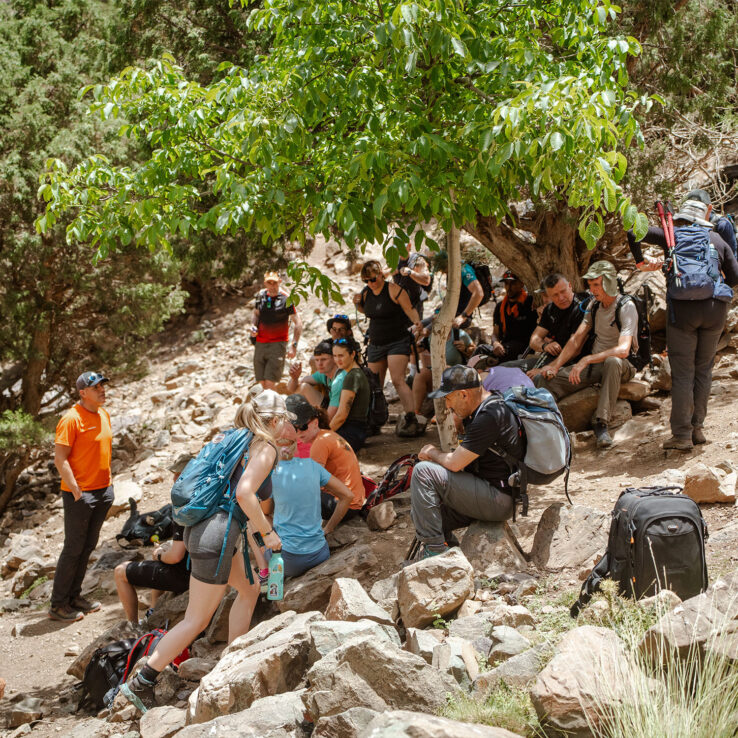
For CSR Directors and HR Leaders, the question inevitably arises: how do we measure the impact of such initiatives?
The metrics are compelling:
Immediate Indicators:
- 100% of participants report increased confidence in personal resilience
- 95% describe stronger relationships with colleagues
- 87% report renewed appreciation for team members’ strengths
- Team communication quality improves measurably in post-challenge assessments
Medium-Term Outcomes (3-6 months):
- Reduced stress-related absenteeism (average 23% decrease)
- Improved employee engagement scores (15-20% improvement)
- Enhanced problem-solving in high-pressure situations
- Stronger cross-departmental collaboration
- Decreased workplace conflict
Long-Term Benefits (6-12 months):
- Lower turnover rates among participants (30% reduction)
- Improved organizational culture scores
- Enhanced employer brand perception
- Increased wellness program participation
- Measurable ROI in recruitment and retention costs saved
But beyond quantitative metrics, consider the qualitative shifts. Post-challenge, teams reference the experience constantly: “Remember on Carrauntoohil when…” These shared memories become organizational folklore—stories that reinforce values of perseverance, mutual support, and collective achievement.
Preparation as Prevention: The Training Philosophy
The Ireland 4 Peaks Challenge requires serious physical and mental preparation. This isn’t a liability—it’s a feature. The 12-week training program itself delivers mental health benefits before participants ever reach Slieve Donard.
The Structured Training Plan:
Each week includes:
- Zone 2 running (30-45 minutes) for cardiovascular base
- Strength training to protect joints and build muscular endurance
- Hill repeats (progressively longer and steeper) to simulate mountain conditions
- Long weekend walks (1+ hours) for time-on-feet adaptation
- HIIT sessions (High-Intensity Interval Training) for respiratory and cardiac development
This structured approach teaches several valuable lessons:
Consistency Over Intensity: Success comes from showing up repeatedly, not from heroic individual efforts. This mirrors effective workplace performance.
Progressive Overload: You build capacity gradually, respecting current limitations while stretching boundaries. This prevents injury (both physical and psychological) while ensuring growth.
Recovery Matters: The training plan includes rest days because recovery is when adaptation occurs. High-performing employees need this same permission to recover.
Team Accountability: When colleagues train together—meeting for Saturday mountain hikes or lunchtime gym sessions—they build accountability systems that support sustained behavior change.
Companies that integrate the training phase into their CSR initiative see amplified benefits. Consider sponsoring group training sessions, providing time during work hours for preparation workouts, or creating internal training groups organized by fitness level. These investments signal that employee wellbeing isn’t peripheral—it’s central to organizational success.
The Leadership Dimension: What CEOs Learn on Mountains
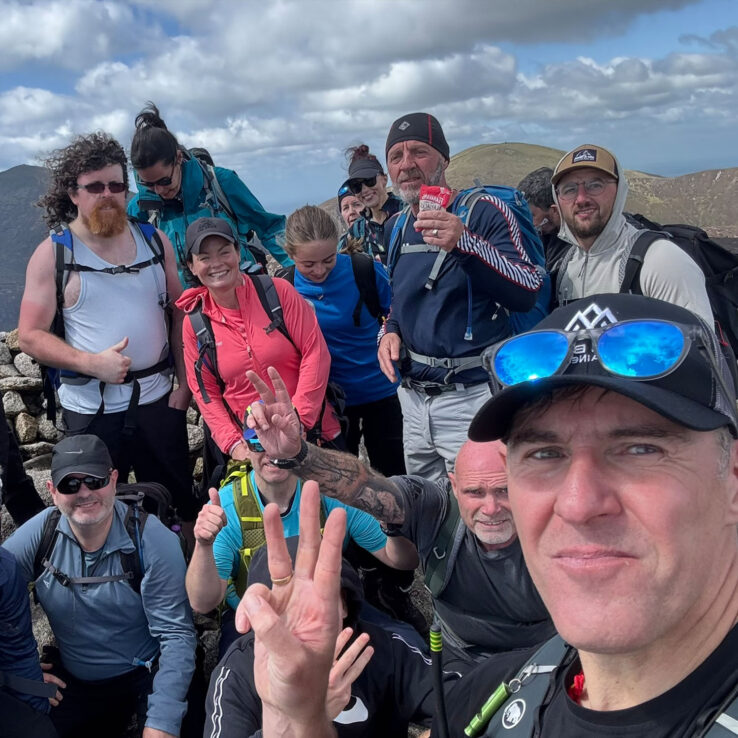
I’ve guided dozens of executive teams through the challenge, and a consistent pattern emerges: mountains reveal leadership truths that boardrooms obscure.
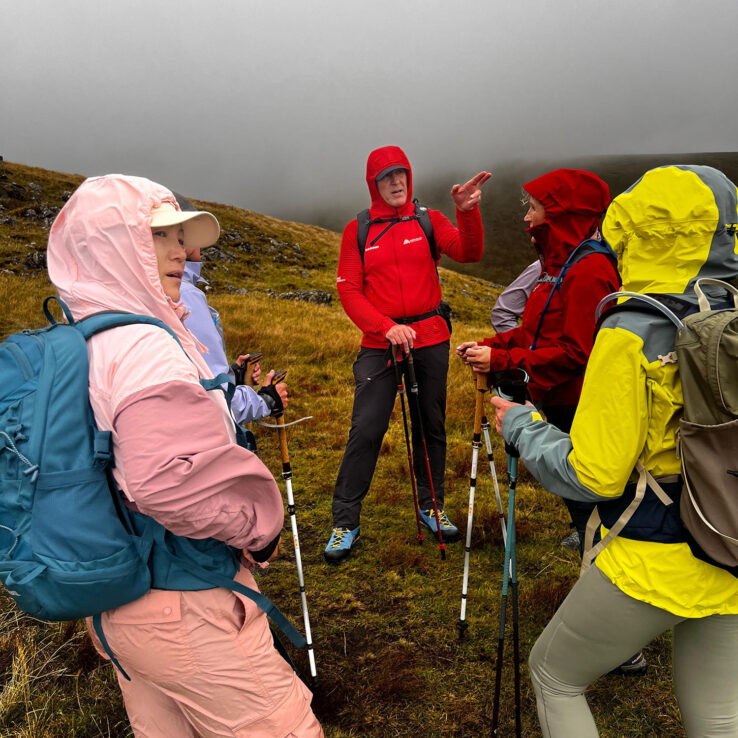
At 3 AM on Carrauntoohil, titles mean nothing. The CEO struggling with altitude doesn’t give orders—she asks for help. The junior analyst with strong mountain experience naturally leads navigation. This role fluidity teaches humility and reveals hidden talent.
The best leaders I’ve witnessed on these challenges do several things instinctively:
They Show Vulnerability: Admitting difficulty, asking for support, acknowledging fear—these acts of vulnerability create psychological safety that transfers back to the workplace.
They Prioritize Collective Success: They slow down to keep the team together, share resources generously, celebrate others’ achievements authentically.
They Model Resilience: When facing their own exhaustion or doubt, they demonstrate how to push through difficult moments without pretending difficulty doesn’t exist.
They Listen Deeply: With defenses down and masks removed, genuine listening becomes possible. Insights emerge about employee concerns, team dynamics, and organizational issues that would never surface in formal settings.
For CEOs considering the challenge: your participation matters enormously. When leadership endures difficulty alongside employees, it fundamentally reshapes organizational culture. You’re not observing wellness initiatives from a distance—you’re embodying the values you espouse.
Building the Business Case: CSR Integration
For CSR Directors, the Ireland 4 Peaks Challenge offers multiple strategic advantages:
Sustainability and Environmental Stewardship: The challenge operates on “leave no trace” principles. Jason Black Mountaineering maintains access agreements with landowners and mountain conservation committees, ensuring ethical environmental practices. Participants learn environmental responsibility through direct experience—knowledge that influences broader corporate sustainability efforts.
Community Connection: The challenge supports Irish outdoor recreation infrastructure and employs local guides, drivers, and support staff. This creates positive economic impact in rural communities while fostering appreciation for Ireland’s natural heritage.
Employee Value Proposition: Comprehensive wellness programming, particularly initiatives as distinctive as the 4 Peaks Challenge, significantly enhances employer brand. In competitive talent markets, demonstrating genuine investment in employee mental health and personal development differentiates your organization.
Measurable Impact: Unlike many CSR initiatives where impact remains abstract, the challenge delivers concrete, observable outcomes: X employees completed the challenge, improving fitness levels by Y%, reporting Z% improvement in stress management and team cohesion.
Stakeholder Engagement: The challenge provides compelling content for annual reports, sustainability documentation, and external communications. Images of your team summiting Irish peaks, testimonials about personal transformation, data showing reduced absenteeism—these narrative elements strengthen stakeholder confidence in your organization’s culture and values.
The Practical Essentials: What Corporate Teams Need
Successfully executing the challenge requires thorough preparation beyond individual fitness:
Mandatory Equipment Per Person:
- Comfortable hiking boots with good ankle support (well broken in)
- Waterproof jacket and over-trousers
- Insulated puff jacket or warm jacket
- Base layers (moisture-wicking)
- Fleece mid-layer
- Warm hat and gloves for night hiking
- Headtorch with spare batteries
- 20-liter backpack
- Water bottles or hydration system (minimum 2 liters per mountain)
- Personal first aid kit (plasters, blister packs, paracetamol, ibuprofen)
- High-energy food (enough for entire 24 hours)
- Bus comfort items (clean clothes, pillow, blanket)
Team Logistics:
- Luxury coach transport with individual USB chargers
- Professional driver trained for mountain access roads
- Qualified mountain leaders (exceptional guide-to-participant ratio)
- Wilderness first aiders
- Proper insurance coverage
- Safety equipment and emergency protocols
Companies often ask about customization options. While the four-mountain route remains standard (for safety and timing consistency), we can accommodate specific corporate needs: pre-challenge team building sessions, post-challenge debrief facilitation, integration with broader wellness programming, or follow-up measurement and reporting.
The Human Element: Transformation Stories
Let me share a story that captures why this matters.
Last year, I guided a technology company team through the challenge. Their HR Director had specifically requested participation because employee survey data showed declining engagement and increasing stress-related absences. The team included employees across all levels, from recent graduates to senior executives.
During the Carrauntoohil night ascent, one senior manager—I’ll call him David—hit a wall. Exhaustion and altitude combined with old knee issues created intense pain. He considered descending, worried about slowing the team. But something remarkable happened.
His direct reports, people who typically deferred to him in meetings and carefully managed how they presented problems, rallied around him. They adjusted pace, shared his pack weight, offered encouragement, and created a support system that carried him to the summit. The vulnerability and mutual care displayed on that mountainside fundamentally changed their working relationship.
Three months later, their HR Director reported that David’s team showed the highest engagement scores in the organization. Team members described feeling more comfortable raising concerns, more confident taking risks, more willing to ask for help. David himself had become a more empathetic leader, having experienced firsthand what it means to need and receive support.
This is what mountains do. They create conditions where authentic human connection becomes not just possible but necessary. And these connections, forged through shared adversity, prove remarkably durable.
Making the Decision: Is This Right for Your Organization?
The Ireland 4 Peaks Challenge isn’t for every organization or every employee. It requires genuine physical preparation, mental commitment, and organizational support. Here’s how to assess fit:
You’re Ready If:
- Leadership is willing to participate alongside employees
- You’re committed to supporting proper preparation (12-week training program)
- Your culture values challenge, growth, and teamwork
- You’re seeking interventions with lasting impact, not quick fixes
- You want measurable outcomes tied to wellness investment
- You’re prepared to integrate insights from the experience into broader organizational development
You’re Not Ready If:
- You’re seeking low-effort wellness programming
- Leadership won’t actively participate
- You can’t support preparation time and resources
- You’re unwilling to accommodate varying fitness levels
- You view wellness as peripheral to business objectives
For organizations ready to make this investment, the returns prove substantial. You’re not just sending employees on a hiking trip. You’re creating a shared experience that reshapes organizational culture, builds genuine resilience, and demonstrates your commitment to holistic employee wellbeing.
The Path Forward: From Boardroom to Summit
The choice before you is clear. You can continue addressing workplace mental health through conventional programs—valuable interventions that often remain disconnected from daily work experience. Or you can try something more ambitious: taking your team beyond familiar boundaries, creating conditions for genuine transformation, and building resilience through shared challenge.
The Ireland 4 Peaks Challenge represents a different philosophy of corporate wellness—one that recognizes humans thrive when tested appropriately, when supported through difficulty, when connected to nature and each other in meaningful ways.
When your team stands atop Mweelrea as the challenge concludes, exhausted but triumphant, you’ll have created something that no boardroom retreat or motivational seminar could replicate: proof that your people can endure difficulty, that they support each other authentically, that your organization values their complete humanity—not just their professional output.
The mountains are calling. Your team’s mental wellness—and your organization’s future culture—awaits at the summit.
Invest in Your Team’s Mental Wellness
Learn More About the Ireland 4 Peaks Challenge.